

Getting the keys to your first home is one of my favorite moments to be part of as a real estate agent. After weeks or months of searching, touring homes, reviewing inspections, and making one of the biggest financial decisions of your life, there is something special about watching a buyer finally open the door to a home that belongs to them. The excitement is real, and I never get tired of seeing that moment.
But what I have learned after helping buyers through the process is that closing day is not where the expenses end. In many ways, it is where a new category of expenses begins. Most first-time buyers are very prepared for the major costs involved in purchasing a home. They plan for the down payment, closing costs, mortgage payment, and insurance. Those are the numbers everyone talks about because they are the biggest and easiest to identify.

Not sure where to start? Neither were most of our clients.
The costs that often catch people off guard are the smaller expenses that appear after they receive the keys. Suddenly, you need things you may have never purchased before. You need new locks, window coverings, tools, cleaning supplies, outdoor equipment, and household items that make the home functional. None of these expenses are necessarily overwhelming by themselves, but they can add up quickly when they happen during the same period as moving expenses and the transition into a new home.
This is especially true for many first-time homeowners moving to Hendersonville. A lot of buyers are relocating to the area because they are attracted to the charm of Downtown Hendersonville, the beauty of the Blue Ridge Mountains, the nearby communities of Flat Rock and Laurel Park, and the slower pace of life that Western North Carolina offers. But moving into a home here also means learning what it takes to maintain a property in this environment.
A newer home in a planned community may have different first-year expenses than an older home near the historic areas of Hendersonville. A property with acreage may require equipment for maintaining the land. A wooded lot may require seasonal cleanup. A mountain property may have different maintenance considerations than a traditional neighborhood home.
I always tell my clients that the first year of homeownership is a transition year. You are not only learning about your new home. You are learning how to care for it, maintain it, and make it work for your everyday life. Understanding those expenses ahead of time helps first-time buyers feel prepared instead of surprised.

Why the First Year of Homeownership Is Usually the Most Expensive
One of the conversations I always have with first-time buyers is that the first year of owning a home is usually the least predictable financially. This does not mean the home has problems or that buyers made the wrong decision. It simply means that the first year is when you are setting up your household, learning your property, and taking on responsibilities that were previously handled by someone else.
When you rent, many parts of home maintenance happen in the background. If a water heater stops working, an appliance breaks, or a repair is needed, you typically contact a landlord or property manager. Homeownership changes that completely. You are now the person responsible for making decisions, scheduling repairs, and investing in the property.
Even homes that have been well cared for require adjustments after a new owner moves in. You may discover that the previous window treatments do not work for your lifestyle, that you need better storage solutions, or that certain tools would make everyday tasks much easier. These are not signs that something is wrong with the home. They are simply part of making a house feel like your own.
In Hendersonville, the first-year experience can vary greatly depending on the type of property you purchase. Buyers choosing homes closer to Downtown Hendersonville may be focused on updating older spaces or improving historic features. Buyers looking in areas like Laurel Park or Etowah may have different outdoor maintenance needs. Those purchasing larger properties throughout Henderson County may need to consider equipment, landscaping, and seasonal upkeep.
The biggest surprise for many new homeowners is how many small purchases happen at once. A homeowner may buy a ladder one week, curtains the next week, basic tools after that, and then realize they have spent several hundred dollars on items they never had to think about while renting.
I always encourage buyers to create a small transition budget for the first year. It is not about expecting problems. It is about recognizing that owning a home comes with a learning curve, and being prepared makes that transition much smoother.
The Costs That Start Before You Even Unpack
Many buyers assume the biggest spending happens before closing and that things will calm down once they receive their keys. In reality, the first few weeks after moving into a home can be one of the busiest spending periods because there are so many small things needed to make the property comfortable, secure, and functional.
This is the stage where many first-time homeowners experience the difference between renting and owning. A rental often comes with many household basics already handled. A home purchase gives you the freedom to create your space, but it also means you are responsible for everything from security to storage to maintenance supplies.
I like to prepare buyers for this part of the process because these expenses are normal. They are not unexpected problems. They are simply part of turning a purchased property into a home where your daily life can happen comfortably.
Replacing Exterior Door Locks
One of the first things I recommend to new homeowners is changing or rekeying the exterior door locks. This is one of the simplest updates a buyer can make, but it provides an important sense of security and ownership right from the beginning.
Even when you have a smooth closing and a great experience with the previous owners, you usually do not know how many copies of the existing keys may still be available. Previous owners, contractors, cleaners, neighbors, or service providers may have had access at different points in time.
Changing the locks gives you control over who can enter your home. It creates a fresh starting point and allows you to feel confident that your new space is truly yours.
For first-time homeowners, this is often one of those small expenses they never considered while searching for homes. They were focused on the purchase price, monthly payment, and closing costs, not on what happens during the first week after moving in.
The cost is usually manageable, but it is still something worth including in your first-year homeowner budget.
Window Coverings and Privacy Solutions
Window coverings are one of the most common expenses that surprise new homeowners. During the buying process, buyers are naturally focused on the major features of the home. They notice the kitchen, floor plan, bedrooms, outdoor spaces, and overall feeling of the property.
After moving in, they often realize that many windows still need blinds, curtains, shades, or privacy solutions.
This can become especially noticeable in Hendersonville homes because many properties are designed around natural light and outdoor views. Large windows are a wonderful feature, especially in a place where buyers are drawn to mountain scenery and peaceful surroundings, but those windows also require thoughtful solutions for privacy and comfort.
I have had buyers tell me they never expected window treatments to become one of their first major purchases after closing. A single curtain rod or blind may not feel expensive, but when several rooms need attention, the total cost can grow quickly.
The good news is that this is also one of the areas where homeowners can personalize their space. Choosing window treatments is often one of the first steps where buyers begin making the home feel like it truly belongs to them.
Cleaning Supplies and Basic Household Equipment
Even when a home is professionally cleaned before closing, most homeowners want to do their own deep cleaning once they move in. There is something about starting fresh in a new home that makes people want every room organized and ready for everyday life.
That usually means purchasing supplies and equipment that were not needed before. Vacuums, mops, storage bins, organizers, cleaning products, extension cords, step stools, and other household basics can quickly become part of the first shopping list.
For buyers moving from an apartment or rental home, this category can feel especially different because they may not have accumulated many homeowner supplies over the years. Owning a home often means slowly building a collection of items that help you maintain and improve the property.
These purchases may not be exciting compared with choosing furniture or decorating rooms, but they are part of creating a comfortable and functional home.
Utility Deposits and Service Activation Fees
One of the first practical lessons many new homeowners learn is that moving into a house requires more than simply transferring their belongings. You also have to transfer or establish the services that make the home livable. Electricity, water, trash service, internet, and other utilities are easy to overlook during the excitement of buying a home, but they are some of the first expenses you may encounter after closing.
For many first-time homeowners, these costs come at an already expensive time. You may have just paid closing costs, moving expenses, and other purchase-related fees, and then suddenly you are setting up multiple accounts and paying activation charges or deposits. These expenses are usually manageable, but they are another reason I encourage buyers to keep some extra savings available beyond their closing budget.
In Hendersonville, utility setup can vary depending on the exact location and type of property you purchase. Homes within the City of Hendersonville may have different service arrangements than properties located in other parts of Henderson County. Buyers looking at homes in more rural areas around Hendersonville may also encounter different considerations, including private wells, septic systems, or additional property services that are less common in traditional neighborhoods.
I always remind my clients that understanding these details before closing can make the move-in process much smoother. The goal is to avoid the feeling of arriving at your new home and realizing several important tasks and expenses are waiting for you.
The Cost of Transferring Essential Services
Electricity, water, sewer, gas, and trash services are some of the first things you need to arrange before moving into your home. Depending on the provider, you may need to pay a connection fee, provide account information, or pay a deposit before service begins.
For buyers who are purchasing their first home locally, these steps may feel simple because they are familiar with the available providers. However, many Hendersonville buyers are relocating from another city or state, and the process can feel different from what they experienced before.
This is especially true when comparing homes in town versus properties outside the city limits. A home near Downtown Hendersonville may have access to traditional municipal services, while a property with acreage in the surrounding Henderson County area may operate differently. Understanding those differences is part of knowing what you are buying.
Before closing, I always recommend that buyers ask questions about the home’s current utility setup. Knowing whether the property uses city services, private systems, or specific providers can help you plan both financially and practically.
Internet Installation and Connectivity Expenses
Internet is another expense that many first-time homeowners do not think about until they are preparing to move in. In today’s world, reliable internet is no longer just a convenience. Many homeowners rely on it for remote work, streaming, smart home devices, security systems, and everyday communication.
The setup process can include installation fees, equipment costs, modem purchases, router upgrades, or service activation charges, depending on the provider and your specific needs.
This is particularly important in the Hendersonville area because internet availability can vary depending on the property location. A home closer to developed areas may have different options than a more rural property surrounded by larger lots, wooded areas, or mountain terrain.
I always encourage buyers to check internet availability before closing, especially if they work from home or rely heavily on connectivity. A beautiful home can still create frustration if the services you need are not available or require additional planning.
The Tools Every First-Time Homeowner Eventually Buys
One of the biggest adjustments for first-time homeowners is realizing how many small tasks they now handle themselves. Things that once seemed simple, such as hanging pictures, tightening a loose cabinet handle, assembling furniture, or making minor repairs, often require tools you may not own.
When you rent, it is easy to forget how many maintenance items are handled by someone else. Once you own a home, you begin building your own collection of tools and supplies because having the right equipment makes everyday tasks much easier.
The good news is that you do not need to buy everything immediately. Most homeowners slowly build their tool collection over time as they discover what their property needs. However, having a basic starter set can prevent small problems from becoming bigger frustrations.
Building a Starter Tool Collection
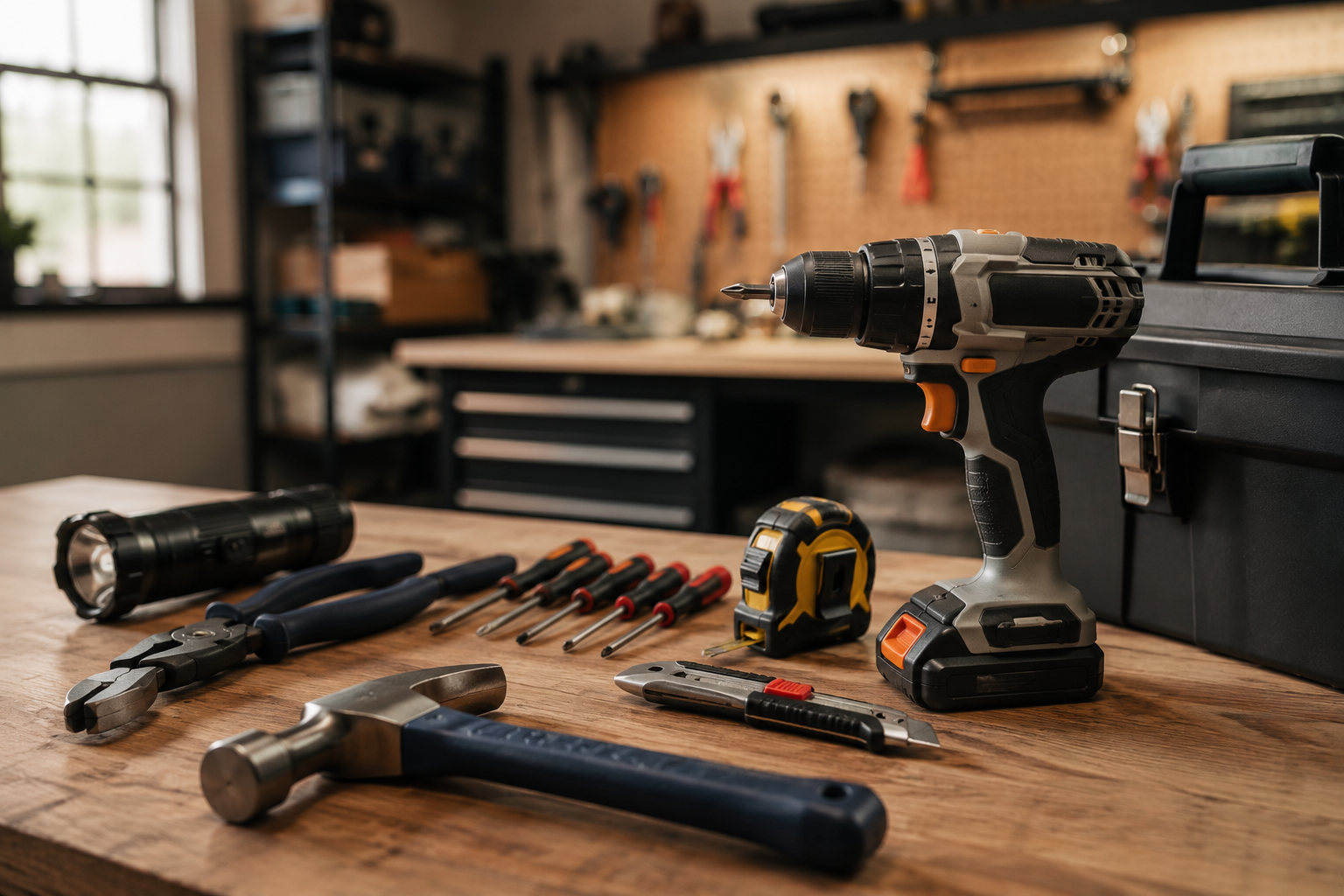
A basic homeowner tool collection usually starts with items that solve everyday problems. A hammer, screwdrivers, tape measure, level, pliers, adjustable wrench, utility knife, flashlight, and drill are some of the tools many homeowners find themselves using regularly.
For first-time buyers, these purchases can feel surprising because they are not typically included in the home-buying conversation. Everyone talks about the mortgage, inspection, and closing costs, but fewer people talk about the fact that you may need a toolbox on your first weekend as a homeowner.
I have seen many buyers slowly build these collections after moving in. One month, they purchase a drill, another month, they add gardening tools, and later, they pick up equipment for seasonal maintenance. Over time, these items become some of the most useful investments they make for protecting and improving their home.
Outdoor Equipment and Seasonal Maintenance
Outdoor maintenance is another category that can surprise first-time homeowners, especially those purchasing properties with yards, gardens, or larger lots. Many buyers are attracted to Hendersonville because of the area’s natural beauty, mature trees, mountain views, and outdoor lifestyle.
But enjoying those outdoor spaces also means caring for them.
Depending on the property, homeowners may need items such as lawn equipment, gardening tools, hoses, rakes, trimmers, leaf cleanup supplies, or outdoor storage solutions. A small neighborhood yard may require minimal equipment, while a larger property in areas around Hendersonville, Laurel Park, Flat Rock, or Mills River may require a more involved approach.
Because Hendersonville experiences all four seasons, outdoor responsibilities can change throughout the year. Spring landscaping, summer maintenance, fall leaf cleanup, and winter preparation all create different needs.
The First-Year Repairs Nobody Plans For
Even when a home has been carefully maintained and passes inspection, first-year homeowners often discover small repairs and adjustments after they move in. This is not unusual. In fact, it is one of the most normal parts of transitioning into ownership.
A home inspection provides valuable information, but it is not designed to predict every small issue that may appear once you start living in the property. Some things only become noticeable after you use the home daily.
A door that sticks, a faucet that drips slightly, a light fixture that needs attention, or a small storage issue may not have been obvious during a showing or inspection. Once you settle in, these details naturally become more noticeable because you are interacting with the home every day.
Minor Repairs Add Up Faster Than Expected
One small repair usually does not create a financial concern. The challenge comes when several small repairs happen close together.
A homeowner may fix a loose door one week, replace a worn appliance part the next, and discover a small plumbing issue shortly after. Each item may seem manageable, but together they can create a steady stream of unexpected expenses.
This is why I encourage buyers to keep a small emergency fund after closing. Having extra savings available allows you to handle normal homeowner responsibilities without feeling stressed every time something needs attention.
The goal is not to expect problems. It is important to understand that maintaining a home is part of protecting your investment.
Deferred Maintenance Often Appears After Closing
Another reality of buying a home is that some maintenance items simply become the responsibility of the next owner. This does not mean the previous homeowner did anything wrong. Every homeowner has different priorities, budgets, and timelines.
A buyer may move into a home and decide they want to update landscaping, replace older fixtures, improve storage, or address items that were not urgent during the previous ownership period.
In Hendersonville, this can be especially relevant with older homes that have character and history. Many buyers love the charm of established neighborhoods, but older properties may require thoughtful maintenance over time.
I always encourage buyers to look beyond the excitement of the purchase and think about long-term ownership. A home is not just something you buy. It is something you care for over many years.
Why Monthly Housing Costs Extend Beyond the Mortgage
One of the biggest mindset shifts for first-time homeowners is realizing that the mortgage payment is only one part of the monthly cost of owning a home. During the buying process, it is natural to focus heavily on the mortgage because it is the largest and most obvious expense. However, once you move in, you quickly discover that homeownership comes with many other ongoing responsibilities.
Utilities change throughout the year. Maintenance needs appear unexpectedly. Household supplies need to be replaced. Outdoor spaces require care. Appliances eventually need servicing. These expenses are not unusual or signs that you made the wrong purchase. They are simply part of owning and protecting a property.
In Hendersonville, these costs can vary depending on the type of home you choose. A low-maintenance property in a neighborhood with shared services may have different expenses than a home on a larger lot where you manage landscaping, exterior upkeep, and seasonal maintenance yourself. A historic property near Downtown Hendersonville may have different long-term considerations than a newer construction home in one of the surrounding communities.
This is why I always encourage buyers to think about the complete ownership experience, not just the purchase price. A home should fit your lifestyle financially as well as emotionally. The goal is not just to become a homeowner. The goal is to enjoy being one.
Creating a Realistic First-Year Homeownership Budget
One of the best things first-time buyers can do is create a realistic budget for the first year after closing. Many buyers are excellent at planning for the purchase itself, but they do not always plan for the transition period that follows.
A first-year homeowner budget should include more than the mortgage payment. It should account for moving expenses, utility setup, household supplies, tools, maintenance, repairs, and the unexpected purchases that naturally come with creating a home.
I often tell my clients that the first year is when you learn what your home needs. You may discover that you want better storage in the garage, additional lighting in certain rooms, upgraded landscaping, or tools that make maintenance easier. These are not failures in planning. They are simply part of making a home work for your lifestyle.
For buyers coming to Hendersonville from another state or from a rental situation, this adjustment can feel even bigger. Many people are moving here because they want a different quality of life, whether that means being closer to nature, having more outdoor space, enjoying a smaller community atmosphere, or finding a home with more privacy.
That lifestyle can be incredibly rewarding, but it also comes with new responsibilities. Planning ahead allows you to enjoy the benefits of homeownership without feeling overwhelmed by the smaller costs that come along with it.
Setting Aside Money for the Unexpected
One of the simplest ways to make the first year of homeownership easier is to maintain a financial cushion after closing. Even a modest reserve can make a significant difference when something unexpected comes up.
A homeowner who has savings available can handle a repair, replacement, or improvement without feeling like every expense is a crisis. It creates flexibility and allows you to make decisions based on what is best for the home rather than what is immediately affordable.
I always remind buyers that owning a home is a long-term investment. Taking care of it consistently protects its value and helps prevent small issues from becoming larger and more expensive problems.
The Expenses Nobody Mentions Are Often the Ones That Matter Most
Buying your first home in Hendersonville is a major milestone, and it is one of the most exciting experiences I get to share with clients. Seeing someone unlock the door to their first property and realize it is officially theirs is a moment that never gets old.
But I also believe in preparing buyers for the reality that comes after closing. The purchase process may end when you receive the keys, but the ownership journey is just beginning.
The expenses that surprise first-time homeowners are usually not the large ones. They are the everyday costs that slowly become part of life in the home. A new homeowner may need to replace locks, purchase curtains, set up utilities, buy tools, handle seasonal yard care, or make small repairs that were never part of their previous budget.
These expenses are normal. They are part of creating a home that works for you and your family.
For Hendersonville homeowners, that experience may look different depending on the property. It could mean maintaining a historic home with character, caring for a larger lot with mountain surroundings, or simply learning the systems and routines that come with owning your own place.
Preparing for Homeownership Means Planning Beyond Closing Day
The best first-time homeowners are not the ones who never experience unexpected expenses. They are the ones who understand that those expenses are part of the journey and prepare accordingly.
When you plan for the first-year costs of ownership, you can enjoy the exciting parts of owning a home. You can focus on decorating, creating memories, exploring your neighborhood, and settling into your new routine instead of constantly worrying about every unexpected purchase.
I always want my clients to feel confident long after closing day. My goal is not just to help someone buy a home. It is to help them understand what ownership truly looks like so they can make a decision that feels right for their future.
A home in Hendersonville is more than a financial investment. It is a place where your daily life unfolds, where memories are made, and where you build connections with the community around you.
When you understand the costs nobody talks about before buying, you can step into homeownership with realistic expectations, greater confidence, and a much smoother transition.